Basement mold inspection in ATWOOD, California
A basement mold inspection in ATWOOD, California is the fastest way to find out whether that musty smell or damp corner is a real problem. We inspect the walls, floor, joists and crawl space with moisture meters and thermal imaging, then hand you a clear report with photos and next steps. If you have been searching for a cellar mold assessment ATWOOD homeowners can actually understand, start here.
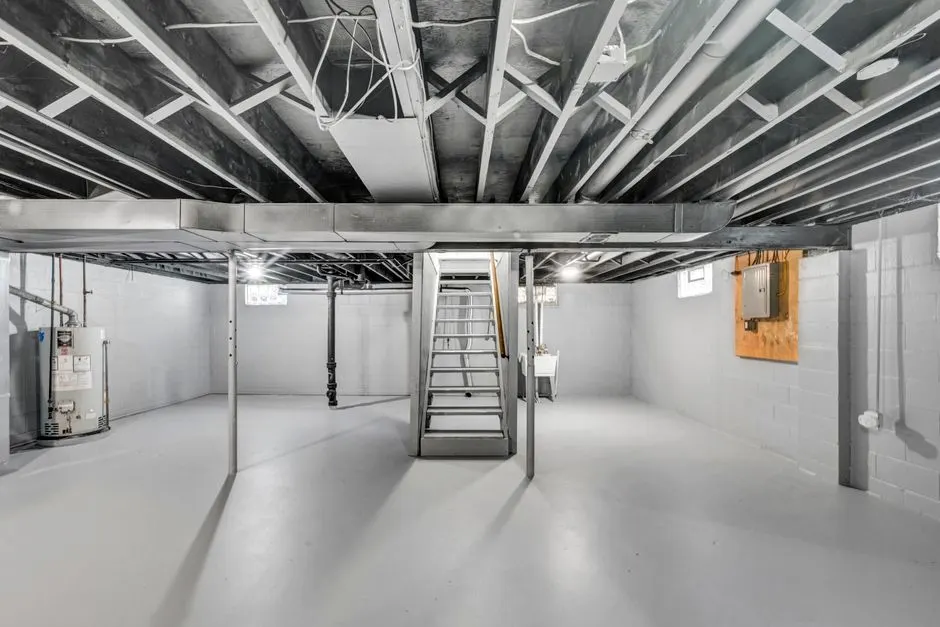
Service overview
What a basement mold inspection in ATWOOD, California covers
A basement mold inspection in ATWOOD, California is a room-by-room moisture and mold evaluation of the lowest level of your home. We start at the foundation walls and work outward: checking for water staining, efflorescence, soft drywall, lifting paint and that unmistakable musty odor. A moisture meter tells us where the readings are high, a thermal imaging camera shows cold spots behind finished walls, and a boroscope lets us look inside wall cavities without tearing anything open. Every finding gets photographed and logged, so you know exactly what is growing, where it is growing, and what is feeding it. Most ATWOOD basements were built to handle dry summers, not the wet winters and occasional flooding we get here. When water seeps through the slab or a downspout dumps next to the foundation, mold can start growing within 24 to 48 hours. That is why a wet basement mold testing in ATWOOD California visit is worth scheduling early. We also look at crawl space moisture, HVAC condensation lines and any past water damage from leaks, because those are the three sources we see behind most basement mold calls.
! Common warning signs
Persistent musty odor with no visible mold
The smell usually means growth is hidden in the crawl space, behind drywall or inside HVAC ductwork. Left alone, spores spread into living areas and the odor gets worse each wet season.
White or black staining on foundation walls
White efflorescence is a sign of water moving through concrete, and black staining often means mold is already growing on the wall surface. Both point to a moisture source that will keep feeding growth until it is corrected.
Mold returning after a previous cleanup
Recurring mold means the original moisture source was never fixed. Each cleanup removes the visible growth but leaves the conditions that caused it, so the problem comes back within one wet season.
Scope of work
What is included in a basement mold inspection
The inspection covers the visible and hidden areas of the basement, the crawl space and the HVAC components that serve the lower level. Lab sampling is included when growth is visible or the odor is unexplained. Remediation is quoted separately after the report, so you can decide what to do next without pressure.
-
01
Full visual and moisture survey
We walk every accessible part of the basement, including behind stored items, under stairs and along the rim joist. Moisture meter readings are taken at regular intervals along foundation walls and the slab, and any reading above the dry standard is flagged in the report.
-
02
Thermal imaging scan
A thermal imaging camera reveals temperature differences that suggest hidden moisture behind finished walls and under flooring. This is how we catch problems in finished basements without cutting into drywall on the first visit.
-
03
Air and surface sampling
When growth is visible or the odor is strong, we collect spore trap air samples and tape lift surface samples. Samples go to an accredited lab, and the report lists the genus and concentration so you know whether toxic mold removal is warranted.
-
04
Photo report and written findings
You receive a report with labeled photos, moisture readings, sample locations and lab results. It includes a recommended scope and a cost range for any remediation work, and it is formatted so you can share it with an insurance adjuster or real estate agent.
Why ATWOOD homeowners schedule an inspection
Mold in a basement rarely stays in the basement. Spores ride the stack effect upward into living areas, so catching the problem early protects both your air quality and your wallet.
Book an inspectionTools and methods we use
Moisture meter
Pin and pinless meters measure moisture content in wood framing, drywall and concrete. Readings above 16 percent on wood usually indicate an active problem worth sampling.
Thermal imaging camera
Thermal cameras reveal temperature differences behind finished walls that suggest hidden moisture, letting us find problems without demolition.
Boroscope
A boroscope lets us look inside wall cavities through a small access hole or existing outlet, confirming growth without cutting open drywall.
HEPA vacuum and air scrubber
HEPA equipment captures spores during inspection and remediation. We use Abatement Technologies and Dri-Eaz units on containment jobs.
Local execution
ATWOOD sits in a part of California where summers are dry and winters bring concentrated rain, and that pattern shapes what we find in basements. Foundations that stay dry from May to October can take on water quickly in December and January, especially where the exterior grade slopes toward the house. Older homes near Old Town Atwood often have stone or brick foundations with no modern waterproofing, while newer builds in Atwood Heights tend to have finished basements where moisture hides behind drywall. We adjust the inspection accordingly: more boroscope work in finished spaces, more exterior drainage review on older homes. If you are searching for a cellar mold assessment near me ATWOOD appointment after a wet winter, we can usually get out within a few days. We also check crawl space vapor barriers and HVAC condensate lines, since those two sources account for a large share of the basement mold we find in this area.
How basement mold inspection runs in ATWOOD
- • Old Town Atwood
- • Atwood Heights
- • Atwood Lake Area
- • Atwood Rural
Recent work
Same-day and next-day inspections in ATWOOD
When you need answers quickly, we answer
We keep inspection slots open every weekday for ATWOOD homeowners who need a basement mold inspection in ATWOOD, California on short notice. Call before noon and we can usually have an inspector on site the same afternoon. After a flood or a burst pipe, we prioritize the visit because mold can start growing within 24 to 48 hours. Our trucks carry moisture meters, thermal cameras, boroscopes and sampling supplies, so most inspections are completed in a single visit without a return trip. If lab results are needed urgently, we can request expedited turnaround from the lab, typically two business days instead of five. For property managers and real estate deadlines, we can schedule multiple units or properties in one day to keep the timeline tight.
What to expect during your inspection
Walkthrough and interview
We start by asking about leaks, flooding history and any musty odors you have noticed. Then we walk the basement together, noting stains, bubbling paint, warped baseboards and visible growth. This first pass takes about 20 minutes and tells us where to focus the instruments.
Moisture and thermal readings
We take moisture meter readings along foundation walls, the slab and any wood framing. A thermal imaging camera scans finished walls for cold spots that suggest hidden moisture. Readings above 16 percent on wood framing usually indicate an active problem worth sampling.
Hidden cavity inspection
Where we suspect mold behind drywall, we use a boroscope through a small access hole or existing outlet. This lets us confirm growth inside the wall cavity without demolition. We also check the crawl space, HVAC air handler and any sump pit for standing water.
What a basement mold inspection costs
Typical 2026 pricing for a basement mold inspection in ATWOOD ranges from $250 to $550. The low end covers a visual and moisture inspection of an unfinished basement. The high end covers a finished basement with multiple rooms, thermal imaging and lab sampling. Remediation, if needed, is quoted separately after the report, and we give you a written range before any work begins. We do not charge for a return visit to re-check moisture levels after repairs.
Basement size and finish level
An unfinished 600-square-foot basement takes about 90 minutes to inspect. A finished 1,500-square-foot basement with multiple rooms takes two to three hours and requires more thermal imaging and boroscope work, which raises the price.
Number of lab samples
Air samples typically run $50 to $75 each, and surface samples run $40 to $60. Most inspections use two to four samples. If the odor is strong but no growth is visible, we may recommend additional air samples to rule out hidden sources.
Access and crawl space conditions
A crawl space with limited access or standing water takes longer to inspect and may require PPE and additional time. We note any access issues when you book so the quote reflects the actual scope.
Frequently asked questions
How much does basement mold inspection cost in ATWOOD, California?
Most basement mold inspections in ATWOOD run $250 to $550 in 2026, depending on square footage and whether lab samples are collected. A basic visual and moisture inspection for an unfinished basement typically lands near the low end. Finished basements with multiple rooms, or cases that require air sampling and lab analysis, land closer to the high end. We quote the price before we arrive so there are no surprises.
Why does my basement keep growing mold in ATWOOD CA?
Mold returns when the moisture source is never fixed. In ATWOOD, the usual culprits are foundation wall seepage after winter rain, a crawl space with no vapor barrier, a downspout discharging within three feet of the foundation, or an HVAC condensate line dripping onto the slab. Killing the mold without correcting the water source means it will be back within one wet season.
How do you remove mold from a basement in ATWOOD?
Removal starts with containment: plastic sheeting and a negative air machine keep spores from spreading to the rest of the house. We then remove porous materials like drywall and insulation that cannot be saved, HEPA vacuum the surfaces, apply an antimicrobial solution, and finish with an encapsulant coating on framing and concrete. A post remediation mold testing pass confirms the work cleared before we take down containment.
Can you test for cellar mold near me in ATWOOD, California?
Yes. We offer cellar mold assessment near me ATWOOD appointments that include air sampling with spore traps and surface sampling where growth is visible. Samples go to an accredited lab and results come back in two to five business days. If you need an answer faster, we can often expedite the lab turnaround for an additional fee.
Related services
Mold Inspection Near Me
If you need a mold inspection near me ATWOOD appointment for an area other than the basement, we cover attics, bathrooms and crawl spaces in the same visit.
Mold Inspection
A general mold inspection covers the whole house, which is useful when the basement inspection turns up a problem that may have spread to upper floors.
Schedule your basement mold inspection in ATWOOD, California
If you have smelled something musty downstairs or noticed a damp patch after the last rain, do not wait for it to spread. Call (833) 929-5837 and we will schedule a basement mold inspection in ATWOOD, California at a time that works for you. We quote the price before we arrive.