Mold fogging treatment in ATWOOD, California for hard-to-reach spores
Mold fogging treatment in ATWOOD, California is a fine-mist application that settles into wall cavities, ductwork, and crawl spaces where mold spores hide after water damage. If you have searched for mold fogging remediation ATWOOD because a musty smell returned after cleanup, we run moisture readings, contain the area, and fog it properly so the spores stop coming back.
Service overview
What mold fogging treatment in ATWOOD, California actually does
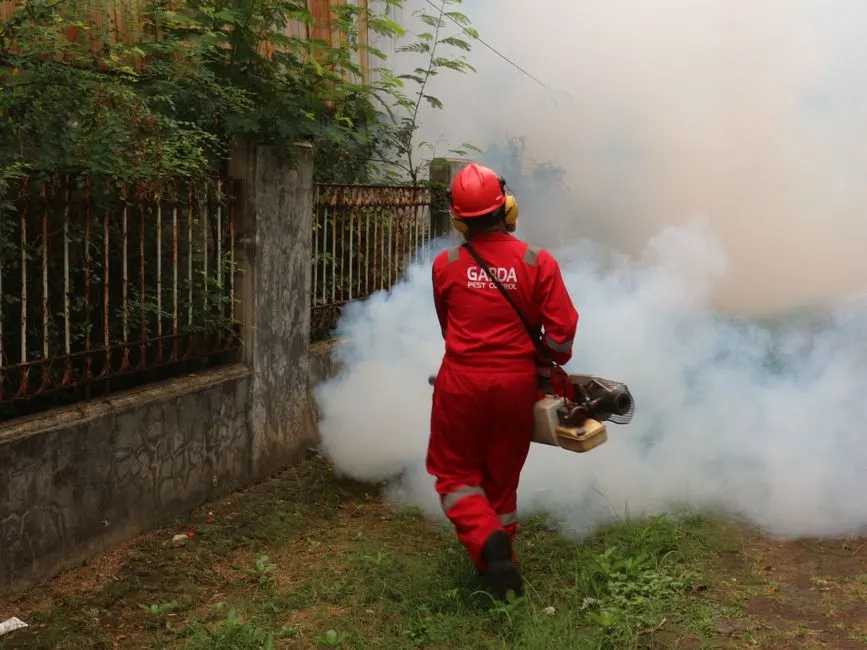
Mold fogging treatment in ATWOOD, California is a remediation step that turns a liquid antimicrobial into a fog so fine it behaves like air, drifting into the gaps a sponge and a spray bottle never reach. We use a fogger with a measured droplet size, seal the room with plastic sheeting and duct tape, and let the mist contact every exposed surface, including the back of drywall, insulation faces, and the inside of ductwork. It does not replace physical removal of heavy growth, but it knocks down the airborne spore load that keeps a room smelling musty. Most ATWOOD calls come from two places: older homes with crawl space moisture that wicks up into the floor framing, and rentals near the lake area where a slow leak behind a bathroom wall went unnoticed for a season. When a homeowner calls asking for mold fogging near me ATWOOD, we start with a moisture meter and a thermal imaging camera to find the wet source, because fogging a wet wall only buys a few weeks. Fix the water, dry the structure, then fog.
! Common warning signs
Musty smell that returns after cleaning
The smell means spores are still in the air and in the cavities. Wiping the visible wall does nothing to the source, so the odor comes back within weeks and the growth keeps spreading.
Mold in ductwork and HVAC systems
Every time the system runs, it spreads spores through the house. Fogging the ducts after a proper cleaning reaches the interior surfaces that a brush cannot, and it reduces the airborne count in every room the system serves.
Crawl space mold on joists and subfloor
Crawl space moisture feeds mold on the framing, and the spores drift up into the living space through gaps in the floor. Left alone, the wood stays wet and the growth keeps coming back every season.
Scope of work
What our mold fogging treatment includes
Every fogging job includes the steps that make the treatment work. Here is what is covered in a standard scope, and what we quote separately if your situation needs it.
-
01
Moisture inspection and mapping
We read the walls, floor, and ceiling with a moisture meter and a thermal imaging camera before any fogging. This tells us where the water came from and whether the area is dry enough to treat. Skipping this step is why some fogging jobs fail.
-
02
Containment and negative air
Plastic sheeting, duct tape, and a negative air machine with HEPA filters seal the work zone. This keeps spores from spreading into the rest of the house while we work, and it is included on every fogging job we run.
-
03
HEPA vacuum and antimicrobial wipe
Before fogging, we vacuum loose debris with a HEPA vacuum and wipe heavy growth with an antimicrobial solution such as Concrobium or Fiberlock. Fog cannot penetrate a layer of dust, so this prep step is what makes the treatment effective.
-
04
Fogging application and ventilation
We fog the sealed area in measured passes, hold the dwell time on the product label, then ventilate and run air scrubbers. You get a dry, neutral-smelling space and a clear explanation of what to watch for over the next few days.
Why homeowners book fogging after a mold cleanup
Fogging is the step that handles the spores you cannot see or wipe. These are the four outcomes ATWOOD customers notice most after we finish.
Schedule foggingTools and methods we use for fogging
Dry fogger with calibrated droplet size
Applies the antimicrobial as a 5 to 15 micron mist that stays suspended long enough to reach wall cavities and the tops of crawl spaces without soaking the structure.
Thermal imaging camera and moisture meter
Finds the wet spots behind walls and under floors before we fog, so the treatment targets the actual problem area instead of the whole room.
Abatement Technologies negative air machine
Pulls air out of the contained work zone through HEPA filters, keeping spores from drifting into clean rooms while the fogger runs.
3M HEPA vacuum and air scrubber
Removes settled dust and spores before fogging and polishes the air afterward, which is the difference between a treatment that holds and one that does not.
Local execution
ATWOOD sits in a part of California where the wet season and the dry season are both pronounced, and that shapes how mold behaves here. Winter rain and roof leaks soak attic sheathing and wall cavities, then the dry months pull the moisture out and leave the spores behind. Homes near the Atwood Lake Area hold more humidity year-round, and older houses in Old Town Atwood have crawl spaces without a vapor barrier, which keeps the floor framing damp. When we run thermal fogging mold removal in ATWOOD California, we adjust the dwell time to the temperature and humidity that day, because a cold, damp crawl space needs a longer contact time than a dry attic. We also check the California Building Code requirements for ventilation and vapor barriers when we recommend a fix, so the fogging result is not undone by the same moisture problem next season.
How mold fogging treatment runs in ATWOOD
- • Atwood Center
- • Atwood Lake Area
- • Old Town Atwood
- • Atwood Industrial Park
Recent work
Same-day response for active water damage in ATWOOD
When water is still moving, we answer
Fogging comes after the water is stopped and the structure is dry, but the clock starts the moment you call. For active water damage in ATWOOD, we aim to have a technician on site the same day, and we keep dehumidifiers, air movers, HEPA vacuums, and containment materials on the truck so the drying can start on the first visit. A two-person crew handles a typical residential job, and we schedule fogging once the moisture meter readings confirm the structure is dry, usually two to five days after the water event. If you are searching for dry fog mold treatment ATWOOD CA because a cleanup already happened and the smell came back, we can usually inspect within 48 hours and schedule the fogging on the next available slot. Call (833) 929-5837 and we will give you a realistic window, not a vague promise.
How our fogging process runs
Inspection and moisture mapping
We walk the space with a moisture meter, a thermal imaging camera, and a boroscope for wall cavities. This takes 45 to 90 minutes on a typical home. You get a clear answer on where the water came from and whether fogging is the right step or whether removal comes first.
Containment setup
We hang plastic sheeting and seal with duct tape, then set a negative air machine with HEPA filters so spores do not drift into clean rooms. On a 200-square-foot room this setup takes about an hour. You will see the plastic go up before any fogging starts.
HEPA vacuum and surface prep
Loose dust and settled spores get vacuumed with a HEPA vacuum before fogging, because fog cannot penetrate a layer of debris. We also wipe heavy growth with an antimicrobial solution. Skipping this step is the most common reason a cheap fogging job fails.
What mold fogging treatment costs
Fogging pricing in ATWOOD depends on how much space is treated, how much prep is needed, and whether testing is included. Typical 2026 pricing for a residential fogging job runs $350 to $1,200, with most single-room jobs landing near the low end and whole-house jobs with a crawl space and attic near the high end. We quote by room count and square footage, not by the hour, so the number you get before we start is the number you pay. If you want an affordable mold fogging service ATWOOD homeowners can budget for, ask us to separate the fogging from the testing so you can see both line items.
Square footage and room count
A single sealed room takes less product and less time than a whole house. Fogging a 200-square-foot room is a short job; a 2,000-square-foot home with a crawl space and attic takes a full day and more material.
Prep work required
If the area needs heavy HEPA vacuuming, antimicrobial wiping, or removal of saturated drywall before fogging, the labor goes up. Light surface growth on a dry wall is the least expensive scenario.
Testing and clearance
Post-remediation mold testing adds $150 to $400 per set of samples, depending on how many zones are sampled. It is optional, but it is the only way to prove the fogging worked, and it matters for insurance and real estate.
Frequently asked questions
How much does mold fogging treatment cost in ATWOOD, California?
Most residential fogging jobs run $350 to $1,200 in 2026, depending on square footage, room count, and whether containment and HEPA vacuuming are included. A single sealed room is usually at the low end; a whole-house job with a crawl space and attic is higher. Testing adds $150 to $400 per set of samples.
Is mold fogging effective in ATWOOD CA?
Yes, when the moisture source is fixed first. Fogging reaches cavities and ductwork that wiping cannot, and it drops airborne spore counts noticeably on retest. It is not a substitute for removing heavy growth or replacing saturated drywall. We inspect first and tell you which situation you are in.
Is fogging safe for pets and children in ATWOOD?
Yes, once the treated area is dry and ventilated. We use EPA-registered products such as Benefect and Concrobium, keep people and pets out of the sealed work zone during application and the label dwell time, then ventilate before anyone returns. Plan on staying out of the treated rooms for about 2 to 4 hours.
Who offers mold fogging remediation near me in ATWOOD, California?
We do, and we cover Atwood Center, Atwood Heights, North Atwood, South Atwood, East Atwood, West Atwood, Atwood Industrial Park, Old Town Atwood, the Atwood Lake Area, and Atwood Rural. Call (833) 929-5837 and we will inspect, quote, and schedule fogging, usually within a few days and same-day for active water damage.
Related services
Mold Inspection Near Me
An inspection before fogging tells us where the growth is and whether it is surface-level or inside a cavity. We use moisture meters and thermal imaging to map the problem, then decide if fogging is the right step for your ATWOOD home.
Mold Inspection
A full mold inspection covers the attic, crawl space, bathrooms, and HVAC. Fogging works best when we know every affected zone, so the inspection report becomes the map for where the fogger runs and where containment goes up.
Book mold fogging treatment in ATWOOD, California
If a room still smells musty after a cleanup, the spores are still there. Call (833) 929-5837 and we will inspect the space, find the moisture source, and quote a fogging scope with containment and testing included. Licensed, insured, and working to CDPH Mold Guidelines.